
Topics Covered
- Comprehensive Case Management
- Training & Equipment
- Effective Communication
- Social Worker vs. Law Enforcement
- Workplace Culture
- Reducing Barriers for Reentry
- Community Collaboration
- Sanctions & Incentives
- Leadership Concepts
Course Overview
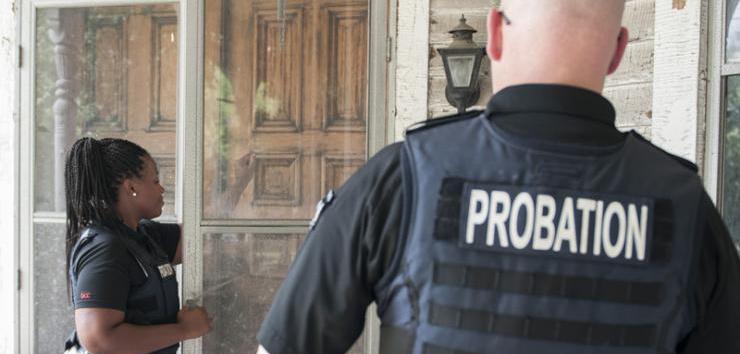
Today's Probation/Parole Officer looks significantly different than any other time in history. POs operate in a multi-dimensional work environment that resembles portions of both traditional law enforcement and social work. Probation/Parole Officers have unique responsibilities that involve creating strategies to drive offender accountability as well as be responsive to the criminogenic needs of those under supervision. Many states in the U.S. have implemented some form of criminal justice reform legislation, which likely has impacted internal procedures in probation and parole in an effort to reduce technical violations and reduce recidivism. In this course, the instructor explains how the utilization of the 360° Seamless Supervision model can lead to comprehensive supervision and better outcomes.
Attendees will learn how to outline agency priorities, define processes; and discuss the structure of policy development. Participants will examine the importance of utilizing a validated risk and needs assessment to guide and assign effective programming. Attendees will examine the structure needed to develop swift, certain and proportionate sanctions, and incentives; the importance of individualized case management plans; and the importance of sustained employment and access to education for individuals with felony criminal convictions. The best way to protect the public, reduce recidivism, and ensure public safety is to provide offenders with the fundamental skills necessary to lead independent, productive, and crime-free lives.
 Print
Print 