
Narcotic Training Solutions
PLET has been vetted by the National HIDTA Assistance Center and has conducted training courses at New England HIDTA, Milwaukee HIDTA, West Texas HIDTA, Nevada HIDTA, Gulf Coast HIDTA, Houston HIDTA, Ohio HIDTA, New Mexico HIDTA, & South Texas HIDTA. Please check our schedule for all upcoming courses.
PLET is pleased to announce that the Northeast Counterdrug Training Center (NCTC) is offering several PLET training courses in 2017 to include their Mexican Drug Cartel Investigations, Cultivaint & Managing Confidential Informants, Cell Phone Investigation Techniques, and Basic Narcotic Investigations. Please visit the NCTC website at: www.counterdrug.org for the 2017 schedule.
Cultivating & Managing Confidential Informants
Confidential informants are a critical tool for all levels of narcotic investigations. From street-level narcotic buys to complex conspiracy investigations, informant information can make or break the case. Narcotic officers must learn to properly cultivate and develop informants in order to have success in arresting drug violators and seizing large quantities of drugs, firearms, and U.S. currency.
Historically, police agencies provide very little training to officers that manage informants. This practice often leads to highly publicized scandals which could include officers being disciplined, fired, or sent to prison for the way they handled their informant. Read More...
Dangerous Drug Labs Recognition
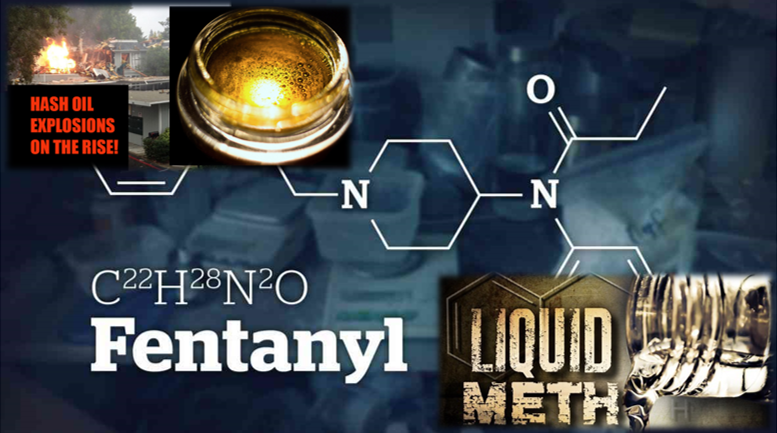
Over the past few years, patrol officers and narcotic investigators have faced a litany of new and challenging obstacles to combat the war on drugs. Although meth labs have been steadily decreasing across the United States, there has been an increase in several types of dangerous micro labs to include Fentanyl, Butane Hash Oil, and liquid Meth conversation labs.. Read More...
Female Undercover Survival Techniques

Female undercover officers are essential to effectively combat prostitution-related crimes, illegal narcotic rings, and organized crime syndicates. With the exception of prostitution stings, male undercover officers have been primarily used to infiltrate criminal organizations. As more female officers continue to enter the law enforcement profession, many cities are starting to see the true value of female undercover officers.
Female UCs face specific problems unique to their gender. Overcoming sexual advances is a major concern that most male officers rarely have to deal with. Unfortunately, there have been several instances across the United States where female undercover officers were sexually assaulted while conducting an operation. Detailed case studies will be presented of these incidents. Read More...
Fighting Fentanyl
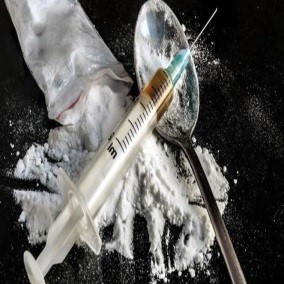
Fentanyl is quickly becoming one of the most dangerous and challenging drug-related threats to communities and law enforcement officials across the United States. Fentanyl is a synthetic opiate used as a surgical anesthetic or as a narcotic to treat chronic and severe pain. Its most commonly used in cancer patients; however, over the last couple of years it’s been blamed for the death of thousands of Americans. It’s characterized by the CDC as an “incapacitating agent,” and provides a substantial risk to law enforcement.
Fentanyl can be absorbed through skin, whether through accidental contact or inhalation of airborne powder. An amount the size of a few grains of salt can be enough to potentially kill a 250lb man. Read More...
Knock and Talk Operation Techniques
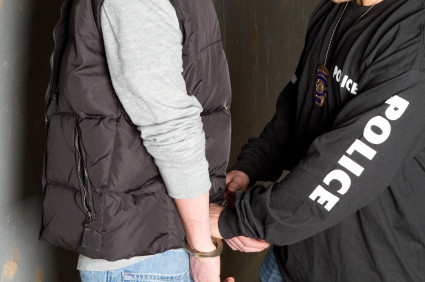
Knock & Talk operations, when conducted properly, can be a very successful tactic to combat illegal narcotic trafficking. Officers must receive proper training and understand the limitations of knock & talks in order for this tactic to be effective
One of the most difficult aspects of conducting knock & talk operations is gaining voluntary consent to enter a residence and conduct a search. Officers must put themselves in a position to win. This starts with the initial approach to the residence, knocking on the door, and the tone and demeanor presented by the officers. Read More...
Mexican Drug Cartel Investigations
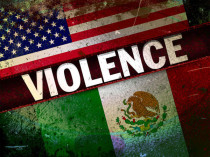
Mexican Drug Trafficking Organizations are impacting communities in nearly every city in the United States. This problem can no longer be viewed as a “Border Issue.” The majority of the drugs distributed and consumed in the U.S. originate in Mexico. The Cartel leaders have strategically formed relationships with American Street gangs to flood the streets with illicit drugs.
The violence perpetrated by the Cartels has reached an unprecedented level in the United States. Kidnappings, home invasions, murders, and attacks on local law enforcement officers are occurring on a daily basis. Aggressive tactics will be presented to combat this violence. This course does not focus on statistical data or other information easily obtained through online searches regarding Mexican Drug Cartels. The information presented is based on the instructor’s unique experience in conducting long-term undercover operations, wiretap intercepts, and debriefings of suspects directly linked to various Mexican Drug Cartels. Read More...
Mid-Level Narcotic Investigations

Mid-Level narcotic dealers are often over looked by law enforcement agencies across the country. Local police departments spend a great deal of time arresting the same street-level dealers over and over again. Federal agencies primarily target upper-level drug organizations trafficking multi-kilogram quantities of Cocaine, Heroin, PCP, and Methamphetamine. These enforcement strategies leave a tremendous void in targeting violent, mid-level drug organizations that are flooding their communities’ drugs.
This training course will teach officers how to identify, target, infiltrate, and prosecute drug organizations that often go undetected. Concepts utilized by Federal Agencies to dismantle interstate narcotic traffickers will be presented to show how the same concepts can be utilized by local & state police officers to dismantle Mid-level narcotic dealers flooding communities with drugs. Read More...
Prescription Drug Investigations
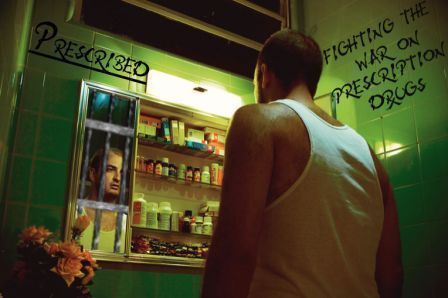
There is a new, silent war on drugs that is sweeping the nation on an epidemic scale. It is Prescription Medication abuse. What was once utilized to legally treat chronic pain sufferers, injured athletes, people recovering from surgery, people with anxiety/depression/A.D.D., or the occasional “weekend warrior” injury, has now become more deadly than hard-core street drugs. Recent statistics show that last year more people died from prescription medication overdose than heroin and cocaine overdoses combined. More than 12 million people reported using prescription painkillers nonmedically in 2010, using them instead to get “high.”
This epidemic is not confined to low income or high crime areas like we see with street drug abuse. This epidemic attacks every person who has a medicine cabinet that contains prescription medication. We are seeing prominent lawyers, police officers, and professional athletes becoming addicted to prescription medication daily. What makes the epidemic even more difficult to contain, is that doctors and local “mom and pop” pharmacies are writing and filling prescriptions in “pill mill” operations, aiding local drug dealers in pushing these medications to the street in large volumes. Read More...
Undercover Officer Survival Techniques

Undercover operations are a necessary tool to effectively target criminals operating in every community within North America. Successful undercover operations allow law enforcement officers to covertly gather evidence of a crime, or interrupt the planning of criminal activities before the suspects have an opportunity to commit the crime. The most common type of undercover operations utilized by police agencies involves narcotic enforcement.
All too often, police departments fail to provide their newly assigned undercover officers with any type of training prior to the investigator starting undercover work. While this practice was common in the 70's, 80's, and early 90's, it can lead to serious mistakes that can cost an officer their job, their freedom, or their life. Read More...
Basic Narcotics Investigations
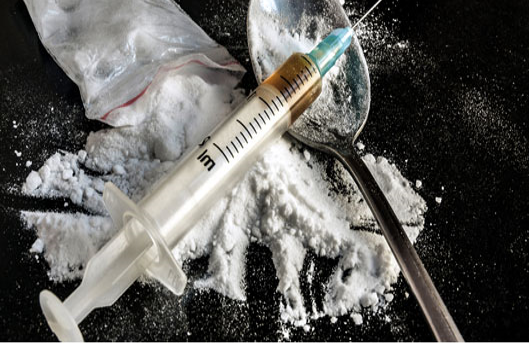
Narcotic investigators are faced with a challenging and dynamic assignment of proactively targeting individuals involved in the illicit manufacture, distribution, and/or possession of narcotics. Oftentimes, investigators are assigned to a narcotic unit and receive limited training. This can inadvertently lead to critical errors in various aspects of narcotic-related investigations.
This five-day training course will properly prepare officers with the tools they need to successfully conduct a narcotic investigation. Officers will receive in-depth training on common street drug identification, paraphernalia, cutting agents, current prices, and terminology. Read More...
Technology, Threats, and Trends in Criminal Investigations

Technology saturates our everyday lives. Yet, so many technologies are being developed with the specific purpose of targeting police officers or hiding criminal activity.
This is a unique and eye-opening class for prosecutors, law enforcement personnel and anyone working in the judicial system who wants to learn more on how everyday technologies are being used (or misused) to commit crimes, avoid or detect investigations, and to conduct counter surveillance. Read More...
Social Networking in Narcotic Investigations

This course of instruction covers the essentials patrol officers, investigators, probation and parole officers, SRO’s and anyone in the criminal justice system needs to know about Social Networking whether they use it or not. Various types of crime are rooted in social networking activity. Drugs, scams, identity theft, flash mobs, sexting, sextortion, cyber bullying, even school shootings can be attributed to social media. Read More...

 Print
Print 