
Criminal Investigation Courses
Cell Phone Investigation Techniques

Criminals rely on cellular telephones to facilitate their illegal activities on a daily basis. With the evolution of the Smart Phone technology, it is becoming increasingly difficult for law enforcement to successfully exploit cell phones. Many officers are unsure when a search warrant is needed to collect data from a telephone or how to read communication detail records (CDRs) provided by the telephone companies. Officers will be presented with numerous examples of CDRs and will learn how to interpret every aspect of the report. Read More...
Criminal Street Gang Investigations

Criminal street gangs are increasingly posing a threat to communities across the United States. Gang members are no longer limited to large metropolitan cities. Smaller communities and suburban areas are experiencing gang violence at alarming rates. Gang members are involved in various types of violent criminal activities ranging from homicide, aggravated robbery & assaults to drug distribution & firearm trafficking. The majority of gang violence revolves around drug distribution and “turf wars”. Read More...
Drafting a Bullet Proof Affidavit
One of the most challenging aspects of advanced investigation techniques is the ability to draft an affidavit for a search warrant that is evidentiary in nature. In other words, the detective is seeking evidence linking a suspect to a crime, but the evidence has not been seen in the home or vehicle. The detective has probable cause to believe the evidence he or she is seeking is at the location. Read More...
Criminal Investigation Techniques
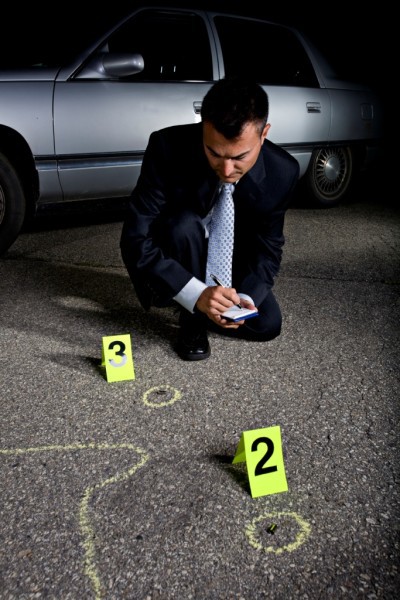
Criminal investigations are becoming more and more scrutinized by everyone involved in the criminal justice process including the media. With the advancements of technology, it is critical that detectives leave no stone unturned when conducting an investigation. From securing the crime scene, to interviewing victims/witnesses, to interrogating suspects, a detective must remain diligent and conduct themselves in a professional manner. Read More...
Failures in Criminal Investigations
Across the United States, criminal investigators spend countless hours attempting to solve a case. Regardless of the type of investigation, the primary goals are to successfully prosecute a suspect and obtain justice to the crime victims and their families. Very rarely is an investigation conducted in a “perfect” manner. Investigators are human and make errors. Often times, these errors are unintentional; however, the investigator does not realize the importance of aggressively correcting the error. Read More...
Investigation of Apparent Suicide

Over the course of the career of most police officers and detectives, the likelihood of being sent to a report of a suicide is much greater than that of most other scenes involving the death of a human being. The suicide crime scene is one of the most difficult crime scenes to investigate. This crime scene carries with it the temptation to make a determination of the cause of death as suicide, long before the facts and available evidence can support that determination. Read More...
Social Networking in Criminal Investigations

This course of instruction covers the essentials patrol officers, investigators, probation and parole officers, SRO’s and anyone in the criminal justice system needs to know about Social Networking whether they use it or not. Various types of crime are rooted in social networking activity. Drugs, scams, identity theft, flash mobs, sexting, sextortion, cyber bullying, even school shootings can be attributed to social media. Read More...
Tehcnology Threats & Trends in Criminal Investigations

Technology saturates our everyday lives. Yet, so many technologies are being developed with the specific purpose of targeting police officers or hiding criminal activity.
This is a unique and eye-opening class for prosecutors, law enforcement personnel and anyone working in the judicial system who wants to learn more on how everyday technologies are being used (or misused) to commit crimes, avoid or detect investigations, and to conduct counter surveillance. Read More...
 Print
Print 